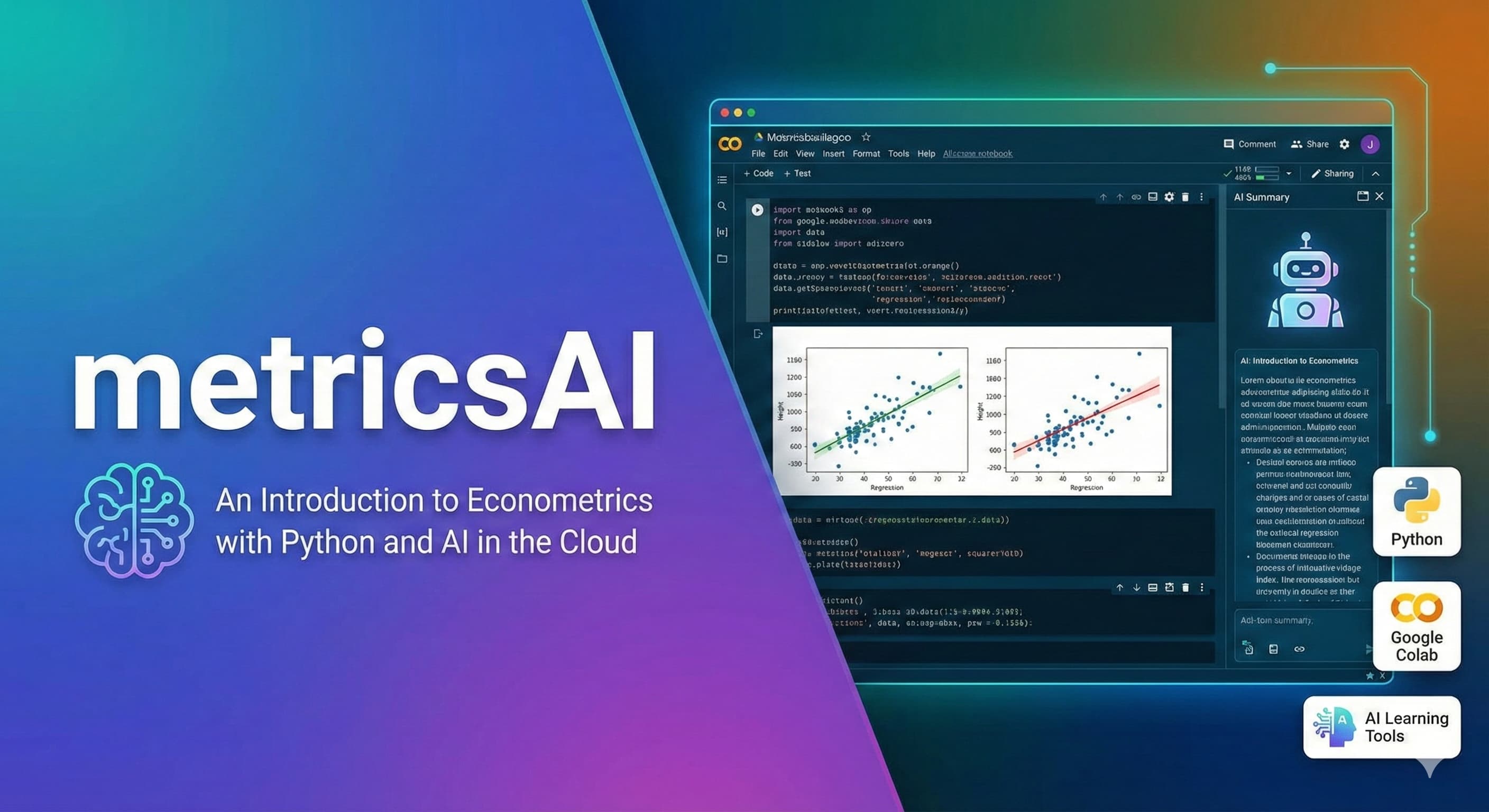
Python & AI for Economics

Econometrics

A modern introduction that combines cloud-based computational notebooks, learning apps, and AI tools.

Zero Installation Learning Apps AI Support

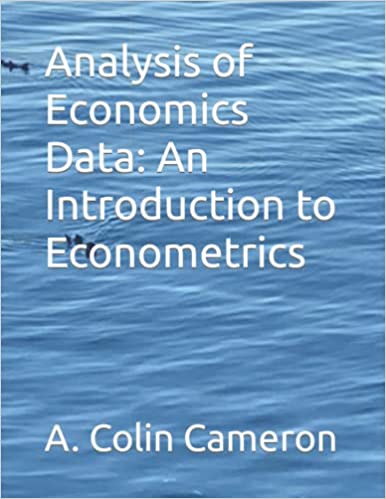
Analysis of Economics Data Textbook Cover
17 Chapters

Why metricsAI?

Learning econometrics should be a more accessible and interactive experience.

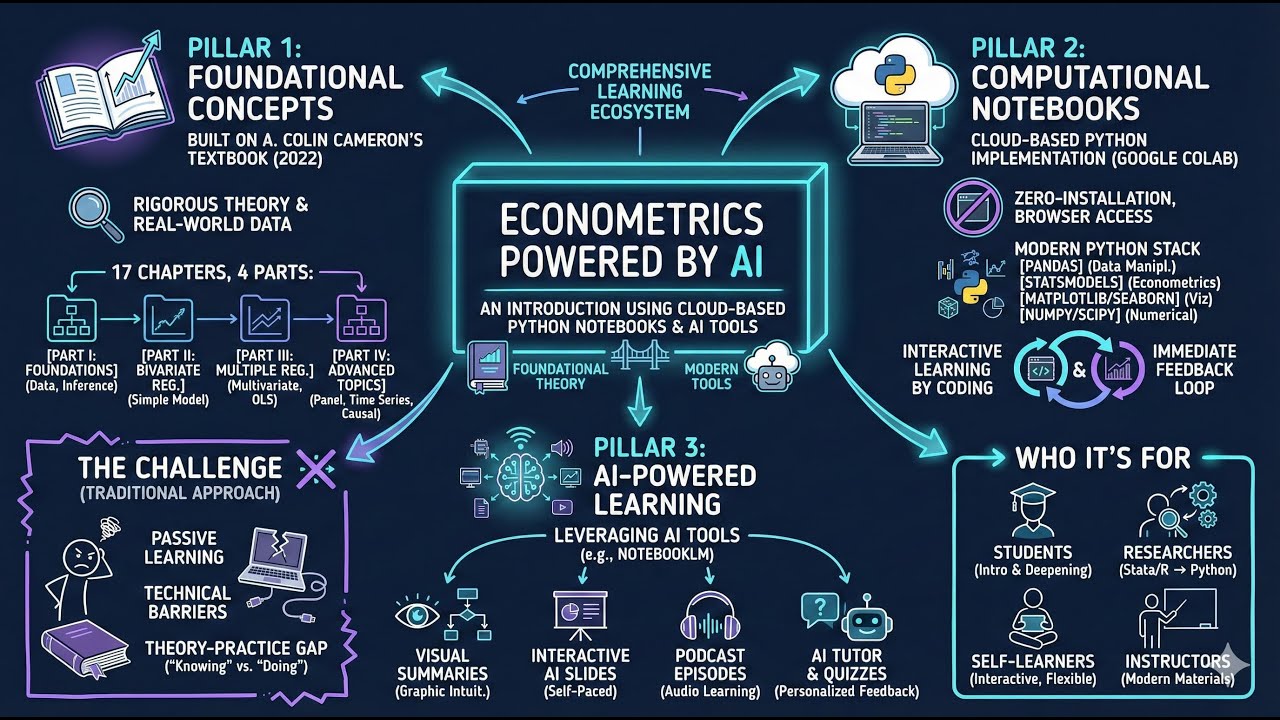
Foundational Concepts

Review core statistical principles and econometric examples based on Cameron's (2022) textbook.

Computational Notebooks

Run code directly and interactively in your browser via Google Colab notebooks, with no environment setup required.

Learning Apps

Explore key concepts with interactive web apps — sliders, toggles, and real-time charts for every chapter. No coding required.

AI-Powered Learning

Leverage Google's NotebookLM and other AI tools for interactive study, code explanations, and deep dives into complex concepts.

Why metricsAI?

Listen to the metricsAI podcast to learn more.

Let's review econometrics concepts through friendly podcast conversations.

Interactive AI-Powered Notebooks

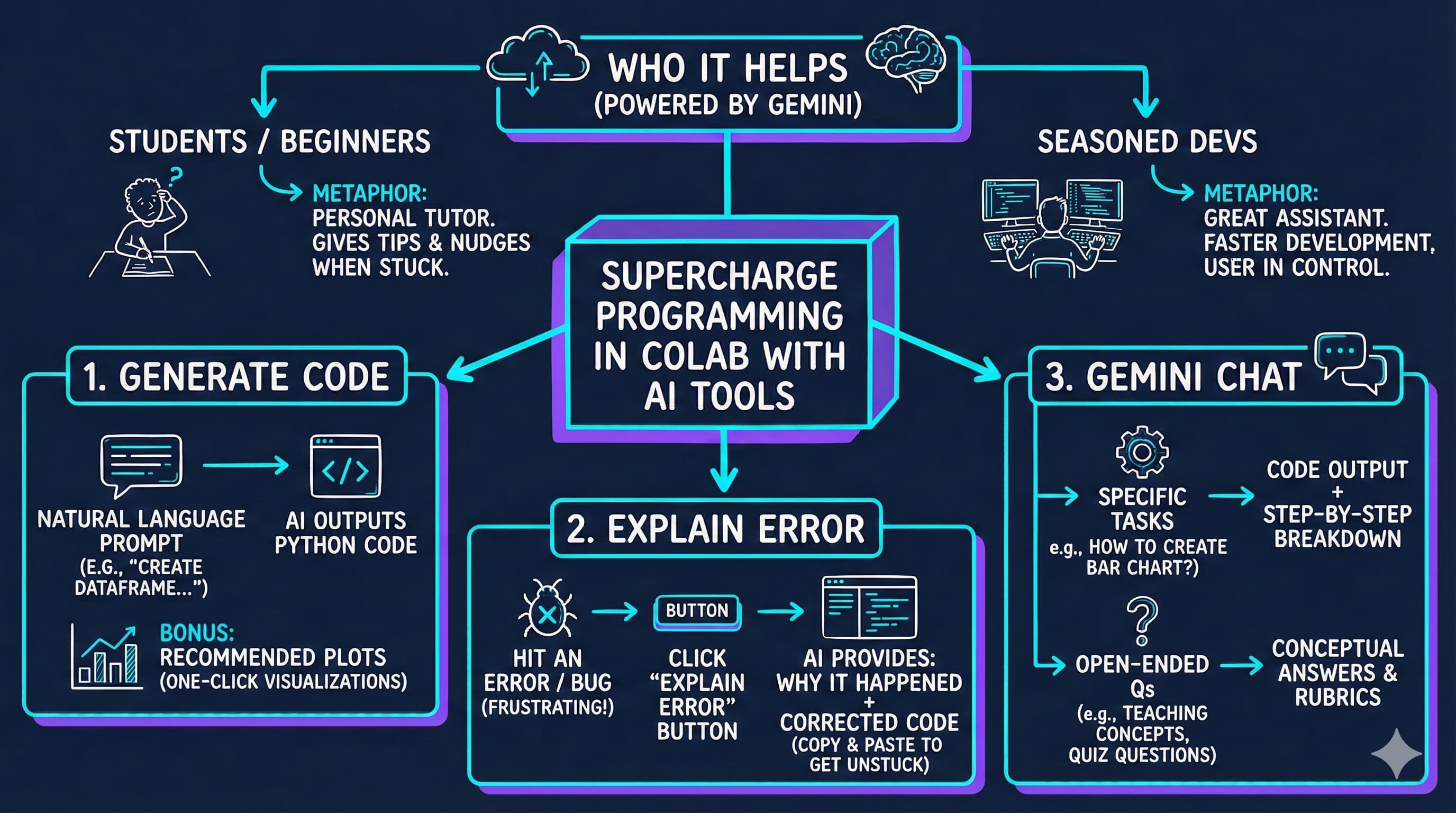
Google Colab notebooks provide an interactive programming environment where AI tools generate code, explain errors, and provide conversational guidance to accelerate learning.

Programming in Colab with AI-Powered Tools

Video source: Julianne DeMars-Smith and Key Jung Lee from Google Research

Click the badge to launch any chapter instantly in your browser. Below the badge, find additional resources for each chapter including slides, quizzes, and a podcast overview.

1

Part I: Statistical Foundations

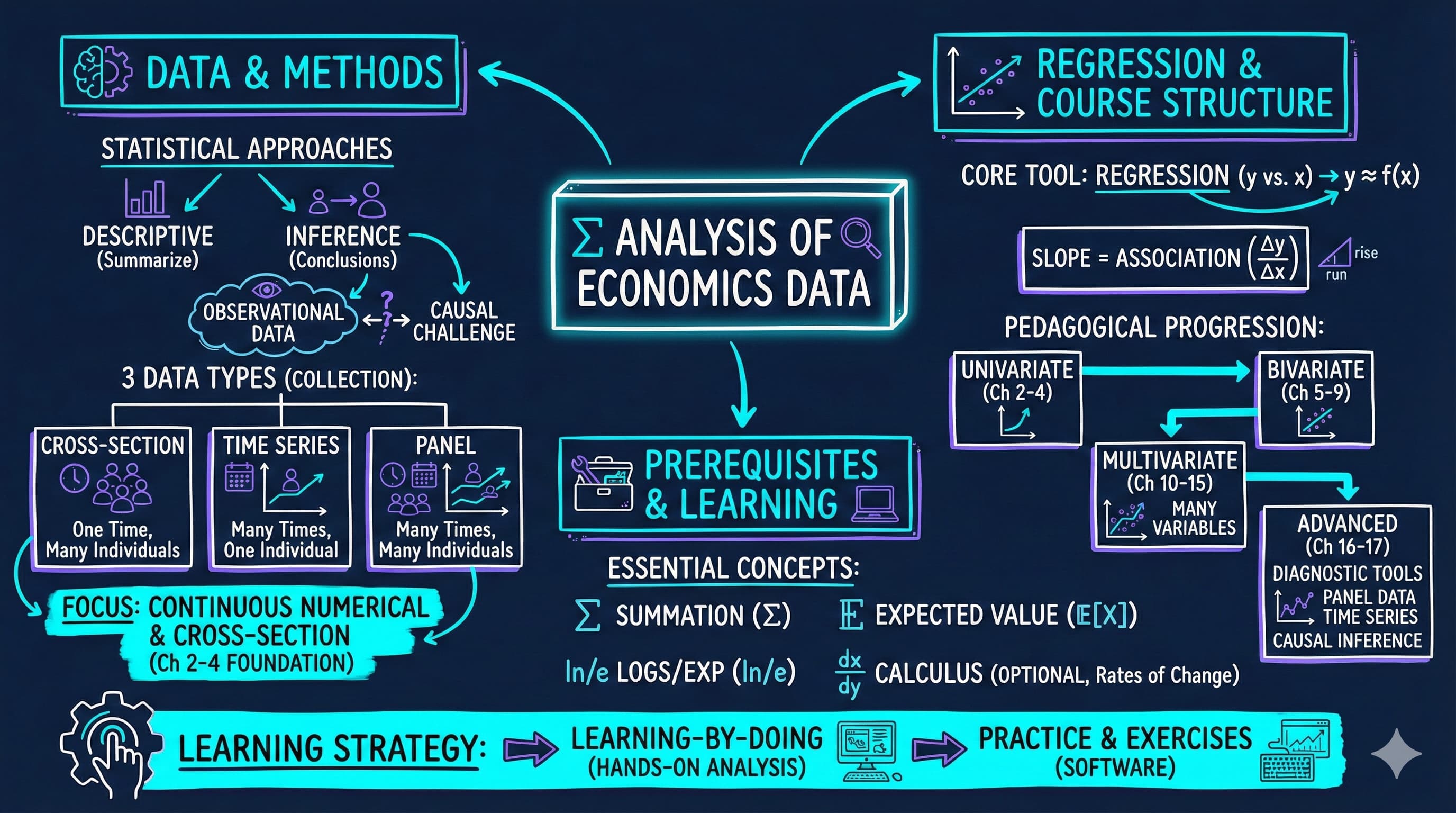
Chapter 1: Analysis of Economics Data

Chapter 1 Visual Summary

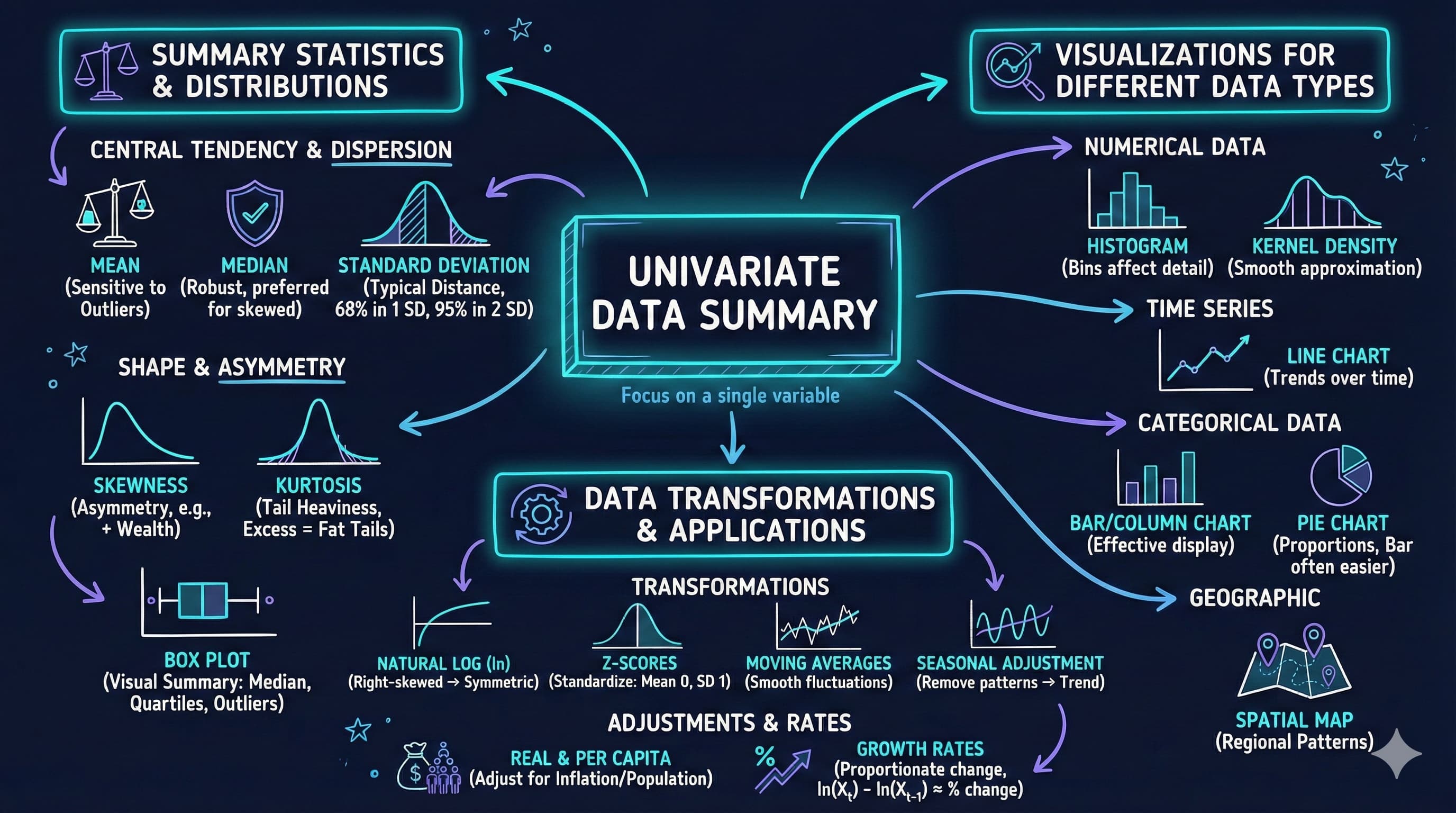
Chapter 2: Univariate Data Summary

Chapter 2 Visual Summary

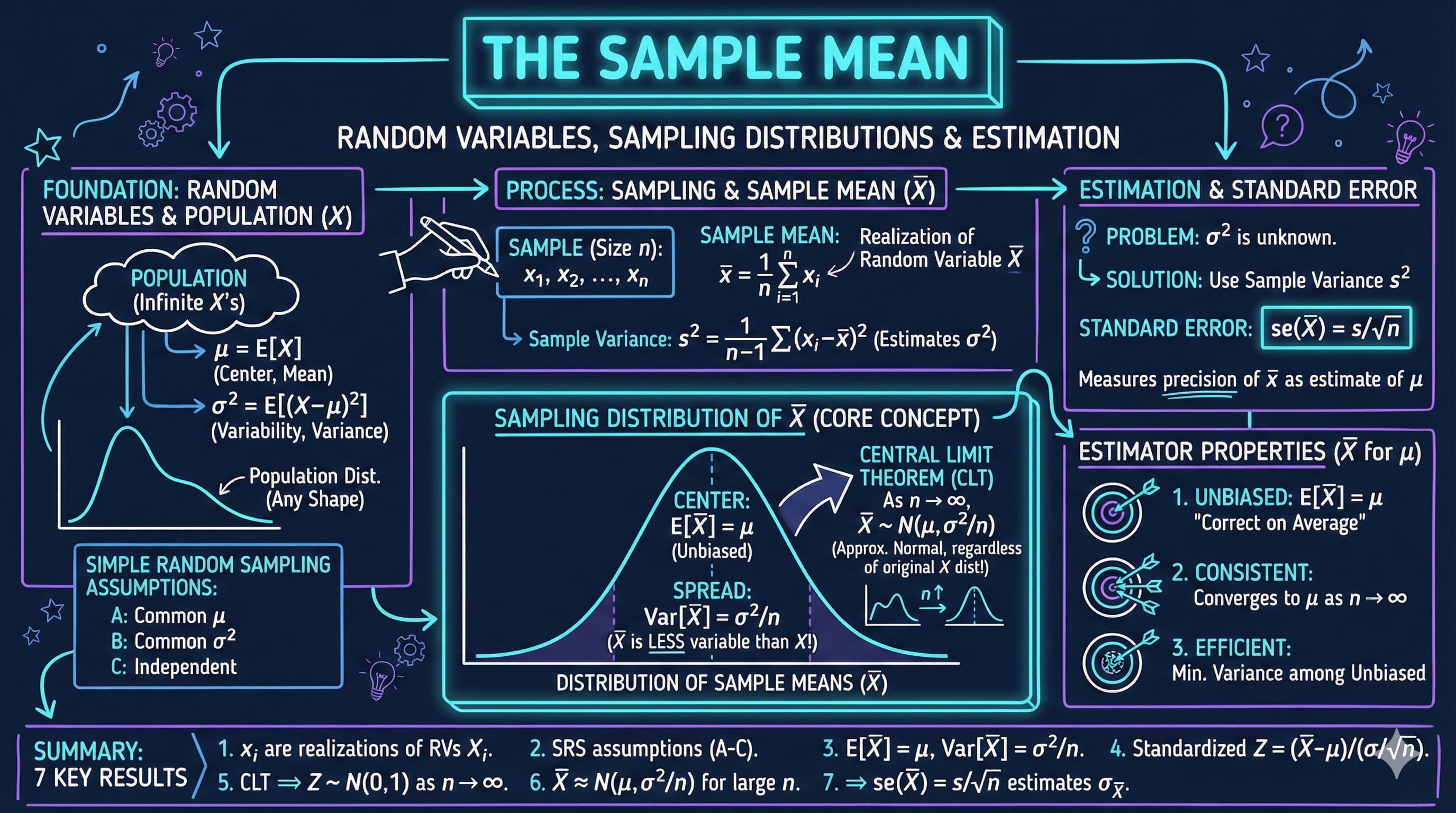
Chapter 3: The Sample Mean

Chapter 3 Visual Summary

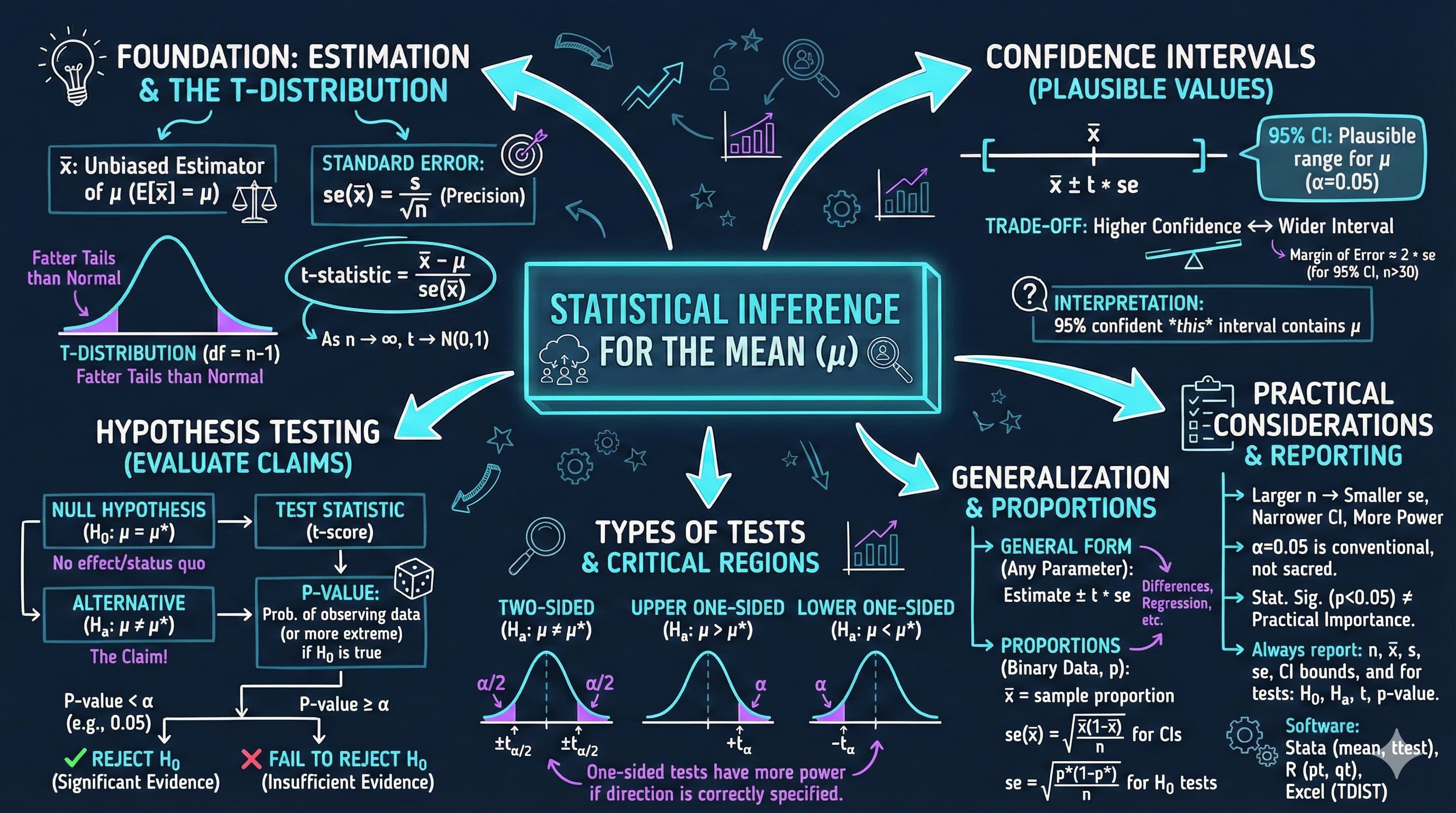
Chapter 4: Statistical Inference for the Mean

Chapter 4 Visual Summary
2

Part II: Bivariate Regression

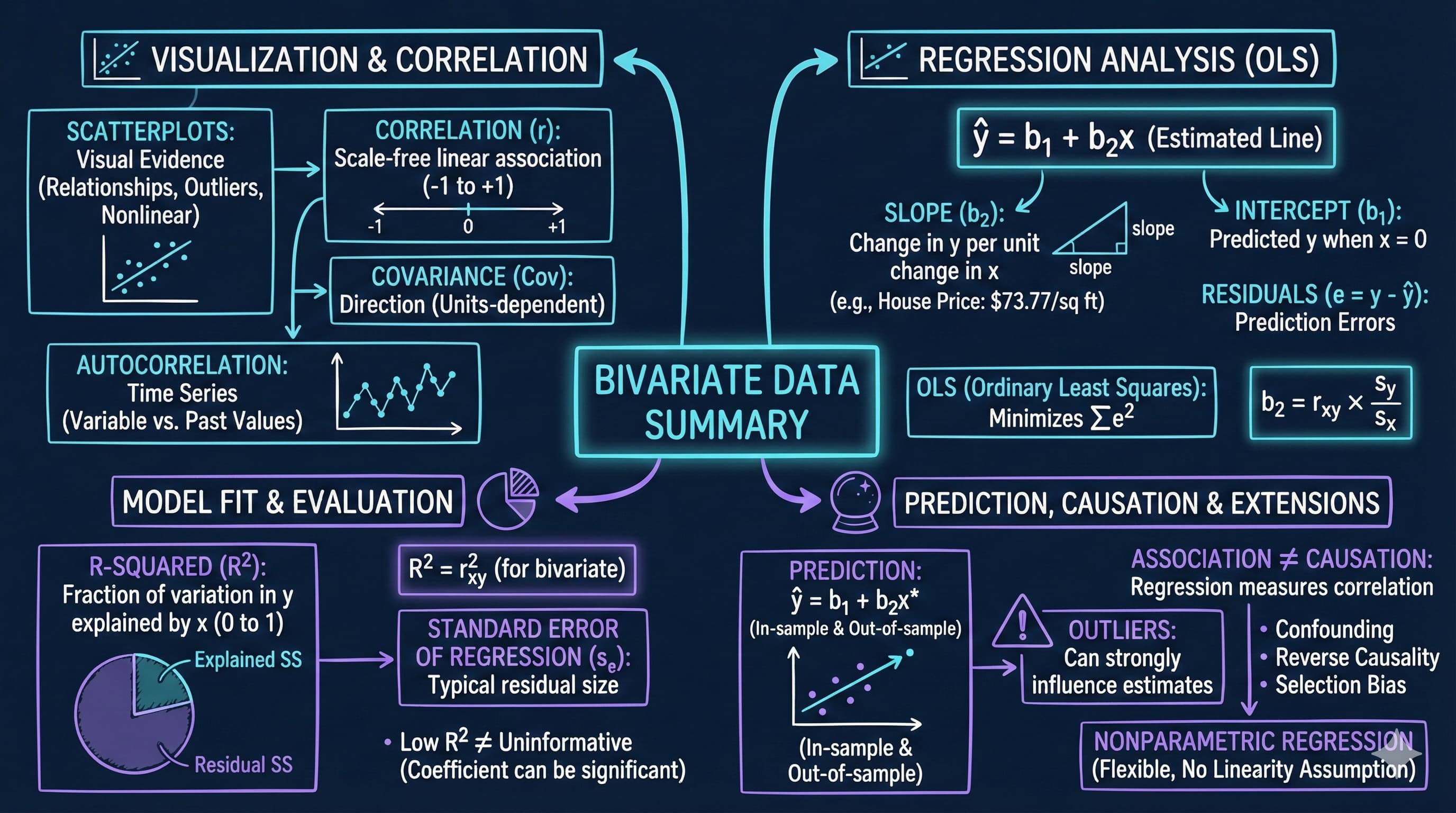
Chapter 5: Bivariate Data Summary

Chapter 5 Visual Summary

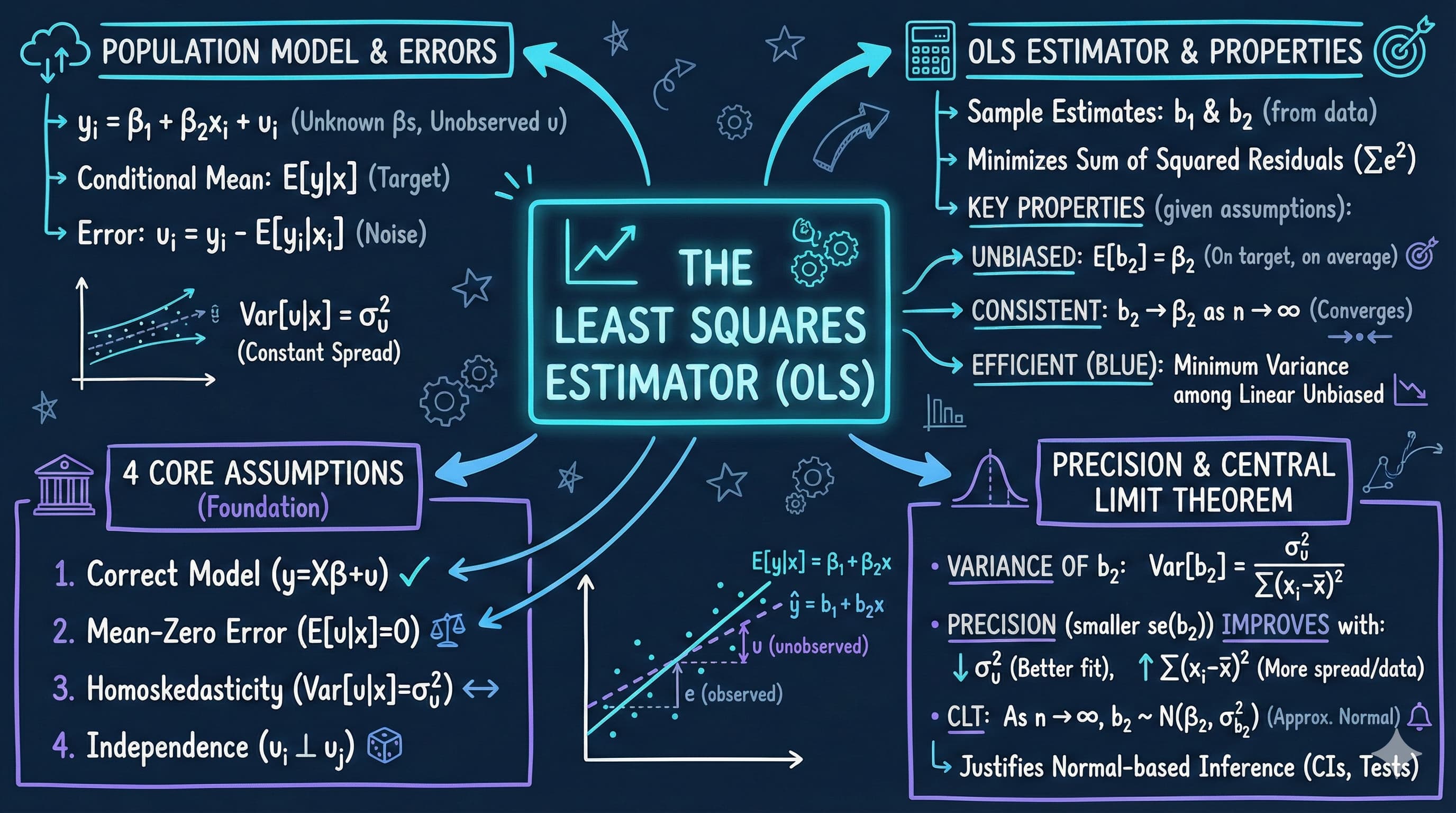
Chapter 6: The Least Squares Estimator

Chapter 6 Visual Summary

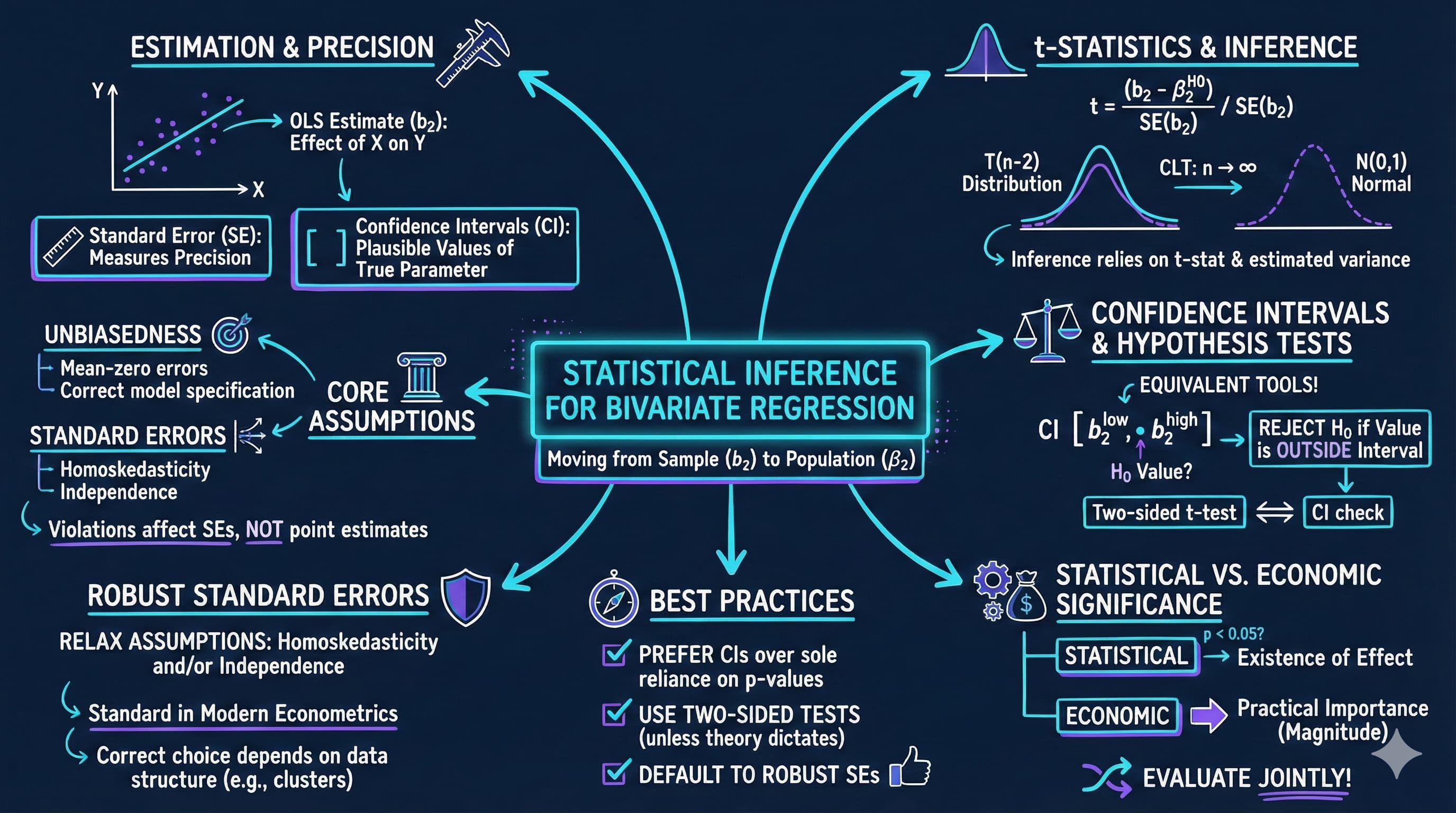
Chapter 7: Statistical Inference for Bivariate Regression

Chapter 7 Visual Summary

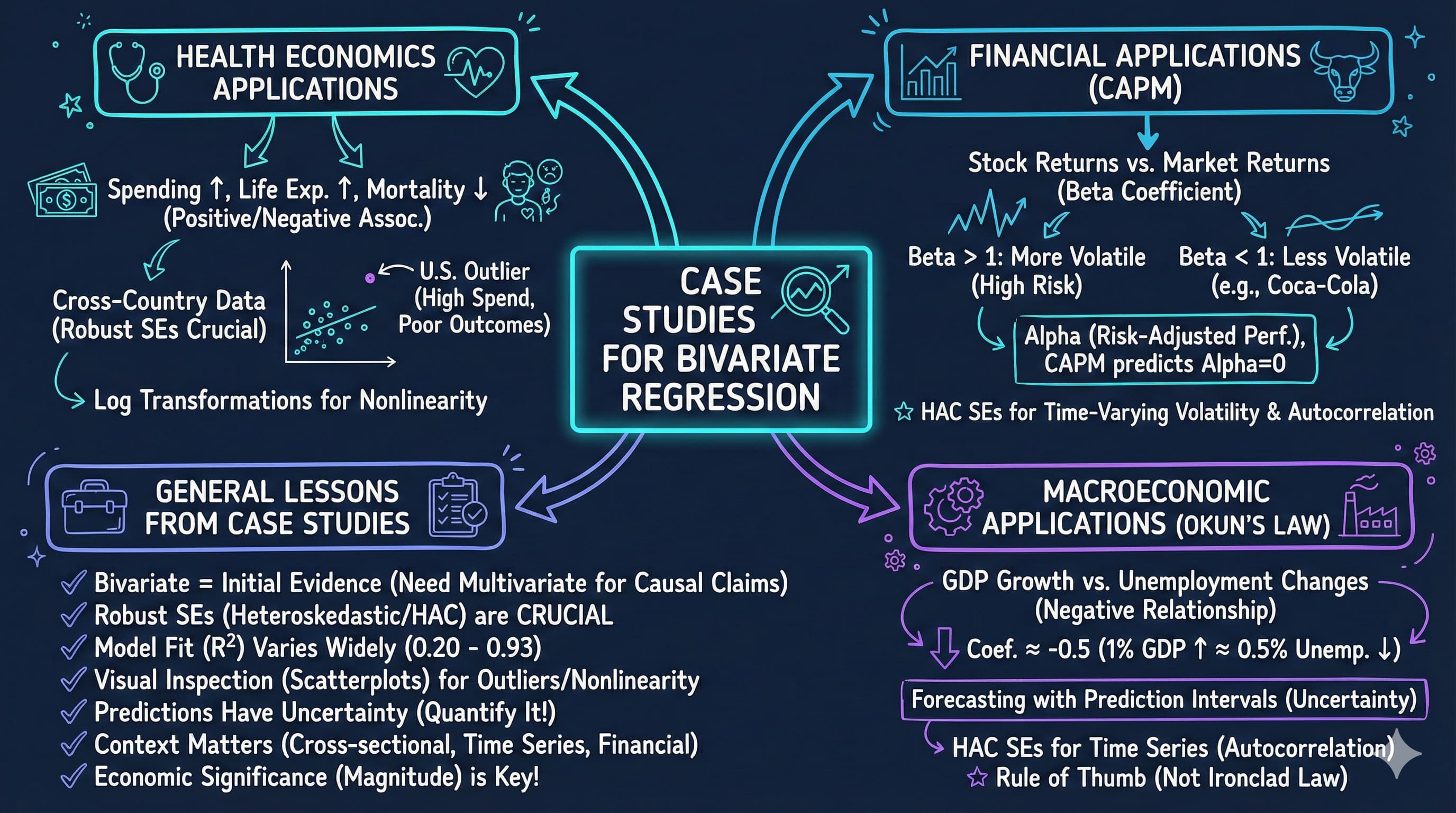
Chapter 8: Case Studies for Bivariate Regression

Chapter 8 Visual Summary

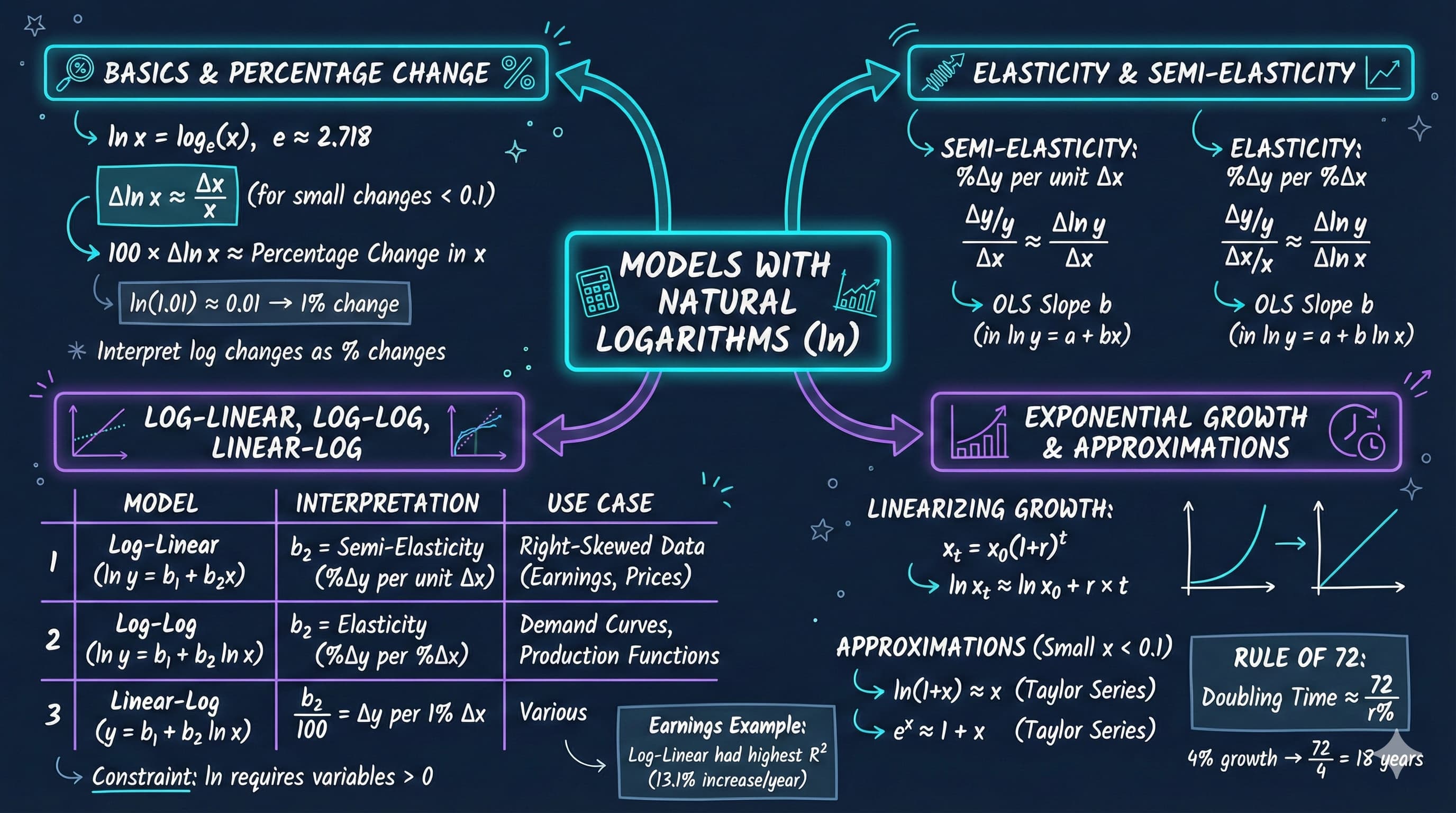
Chapter 9: Models with Natural Logarithms

Chapter 9 Visual Summary
3

Part III: Multiple Regression

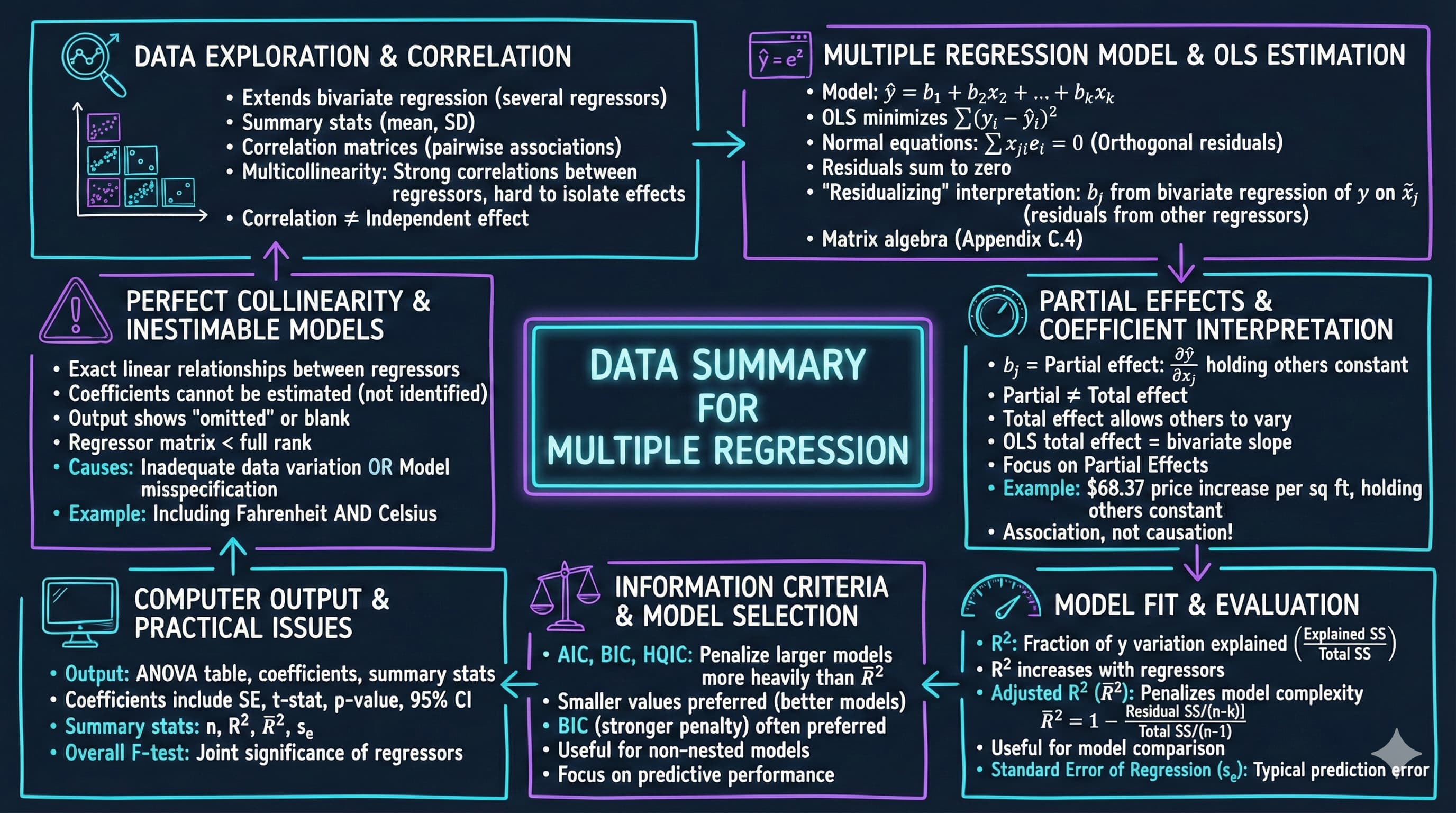
Chapter 10: Data Summary for Multiple Regression

Chapter 10 Visual Summary

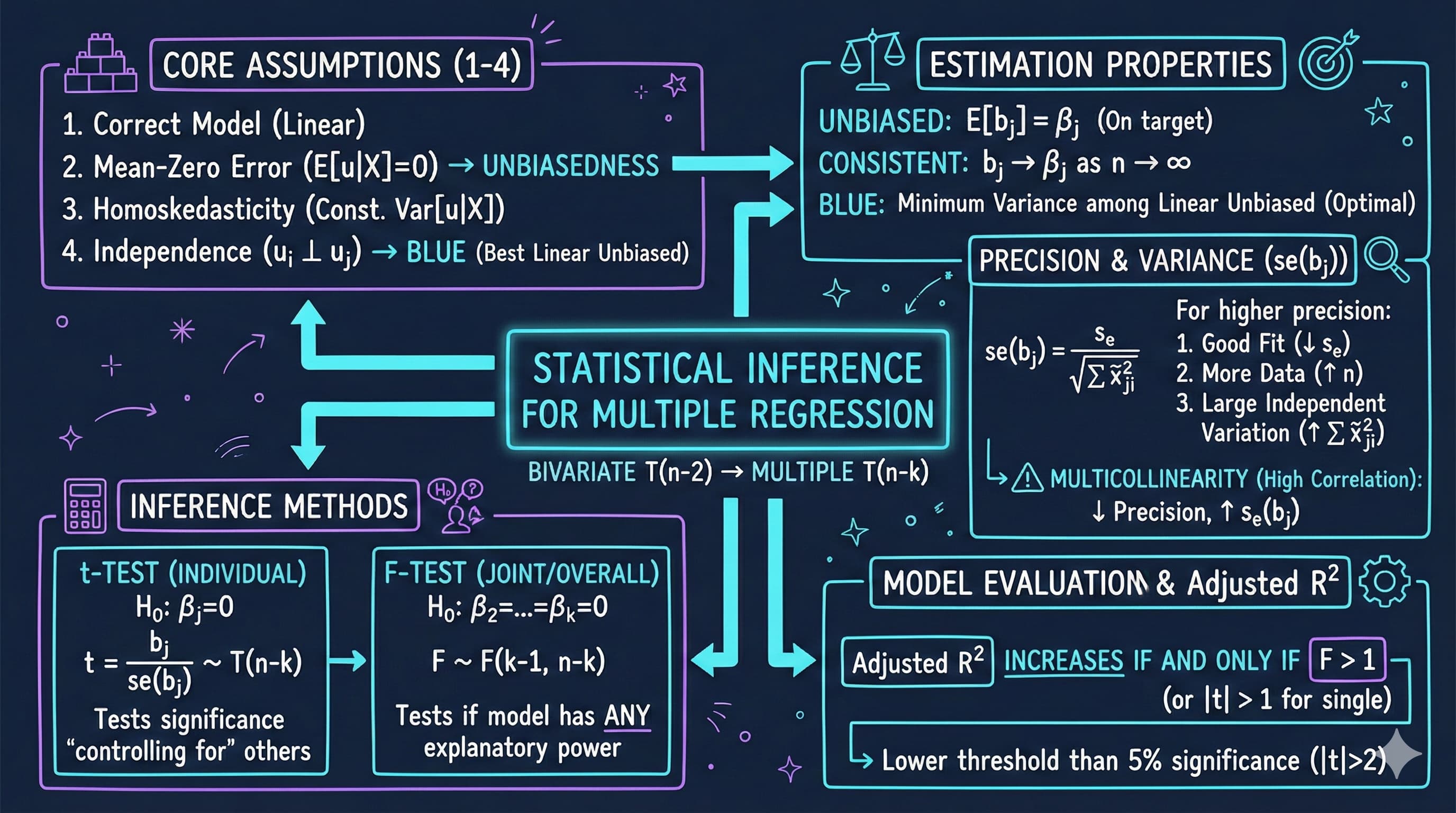
Chapter 11: Statistical Inference for Multiple Regression

Chapter 11 Visual Summary

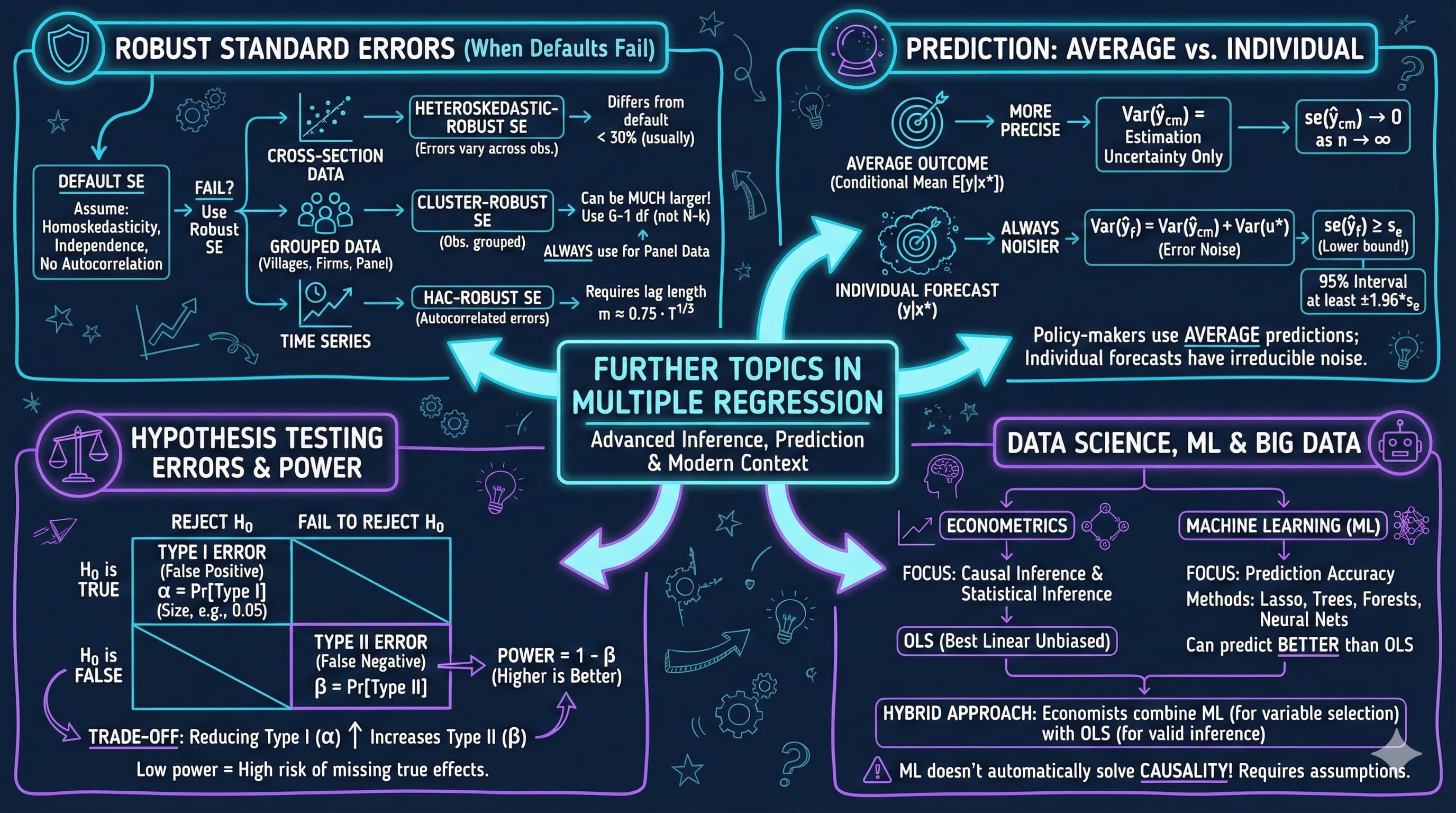
Chapter 12: Further Topics in Multiple Regression

Chapter 12 Visual Summary

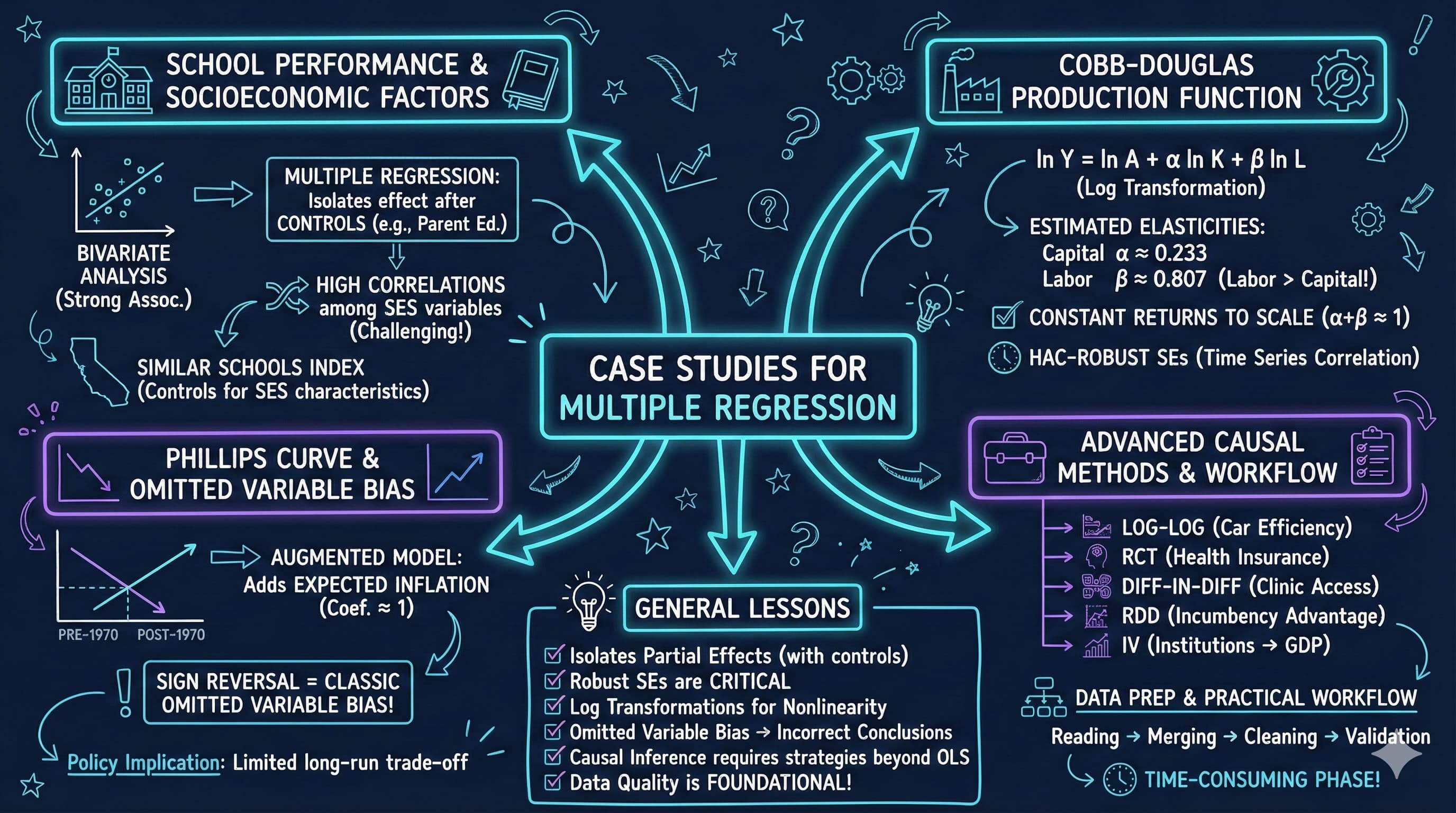
Chapter 13: Case Studies for Multiple Regression

Chapter 13 Visual Summary
4

Part IV: Advanced Topics

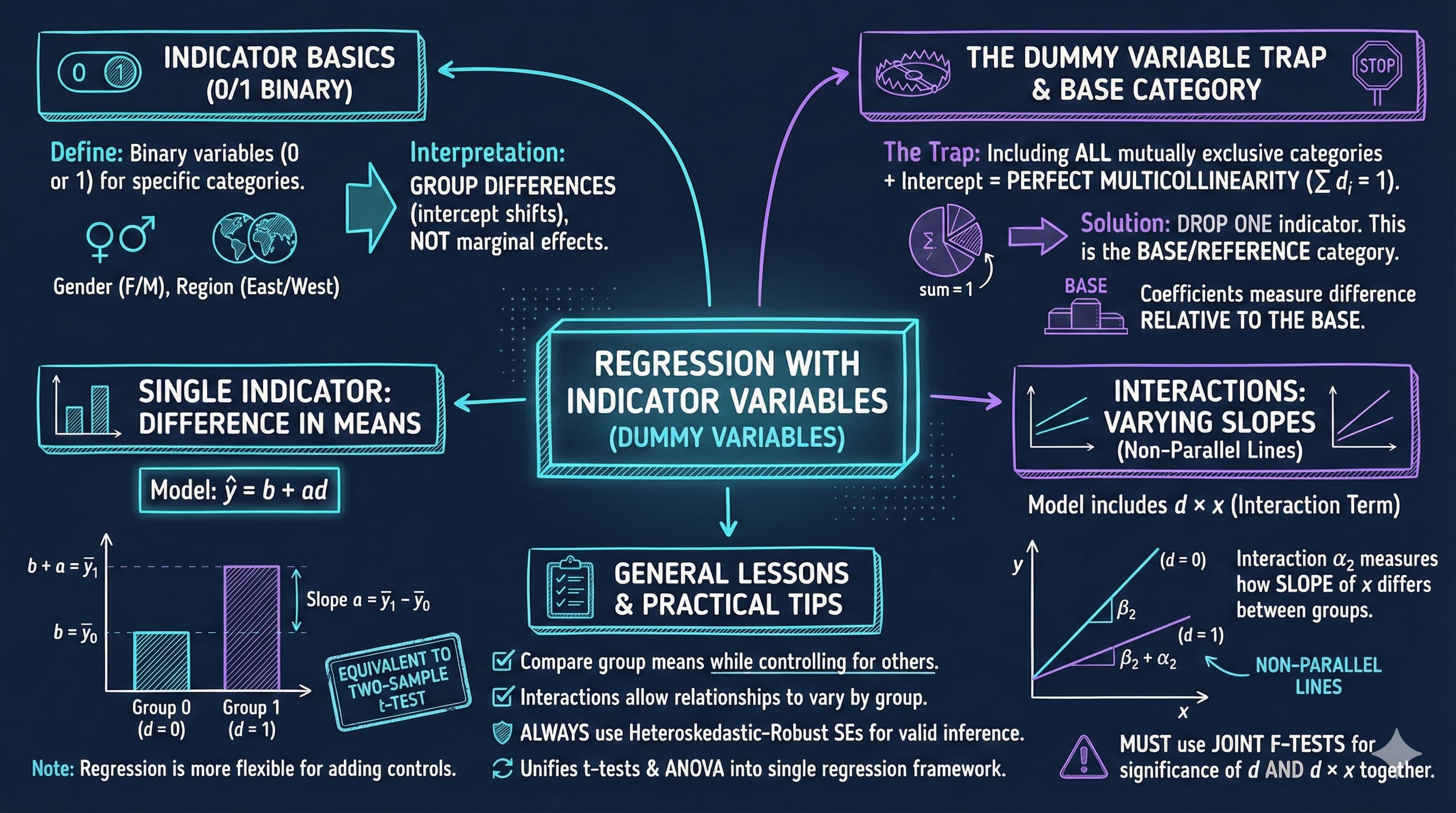
Chapter 14: Regression with Indicator Variables

Chapter 14 Visual Summary

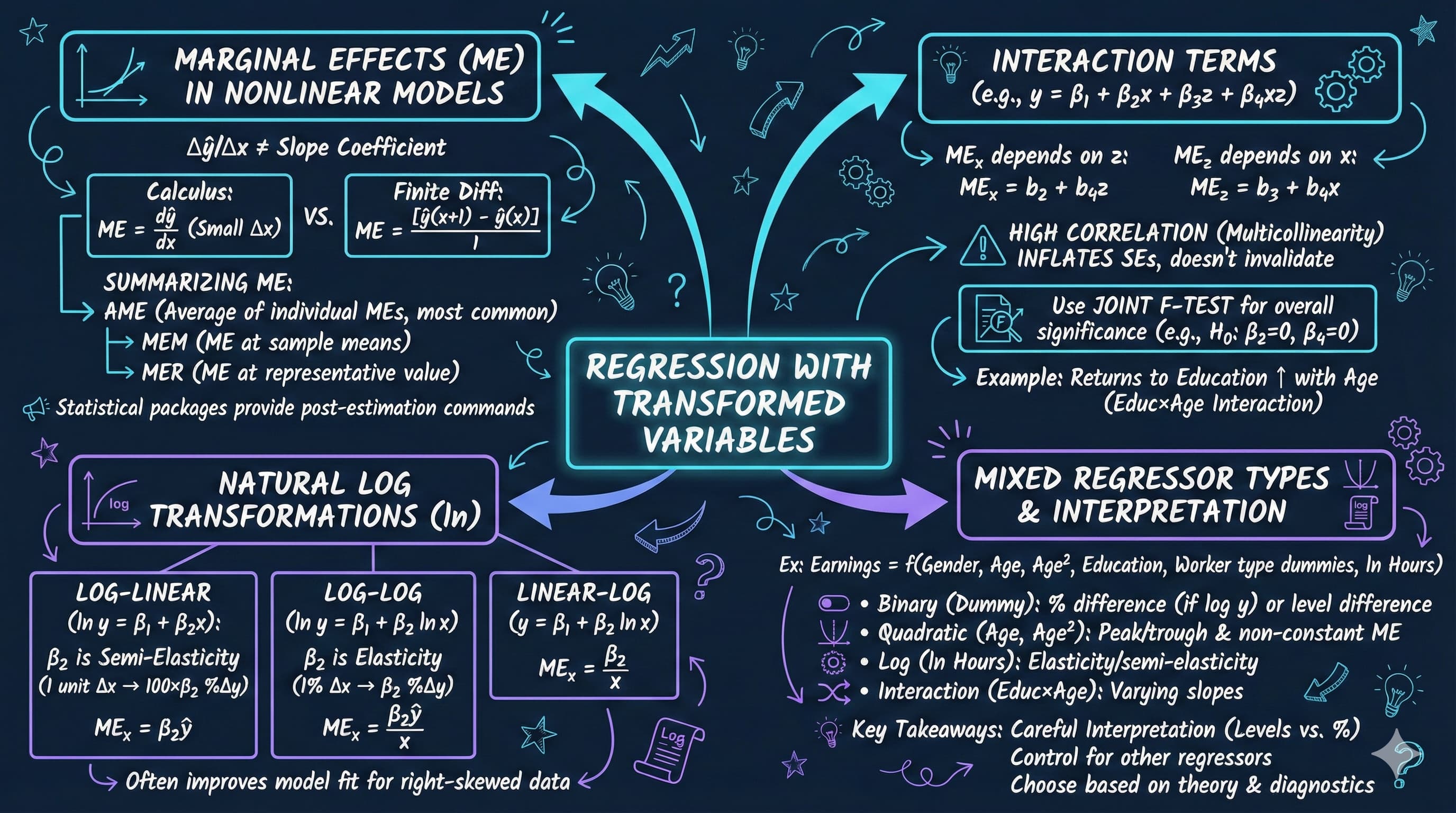
Chapter 15: Regression with Transformed Variables

Chapter 15 Visual Summary

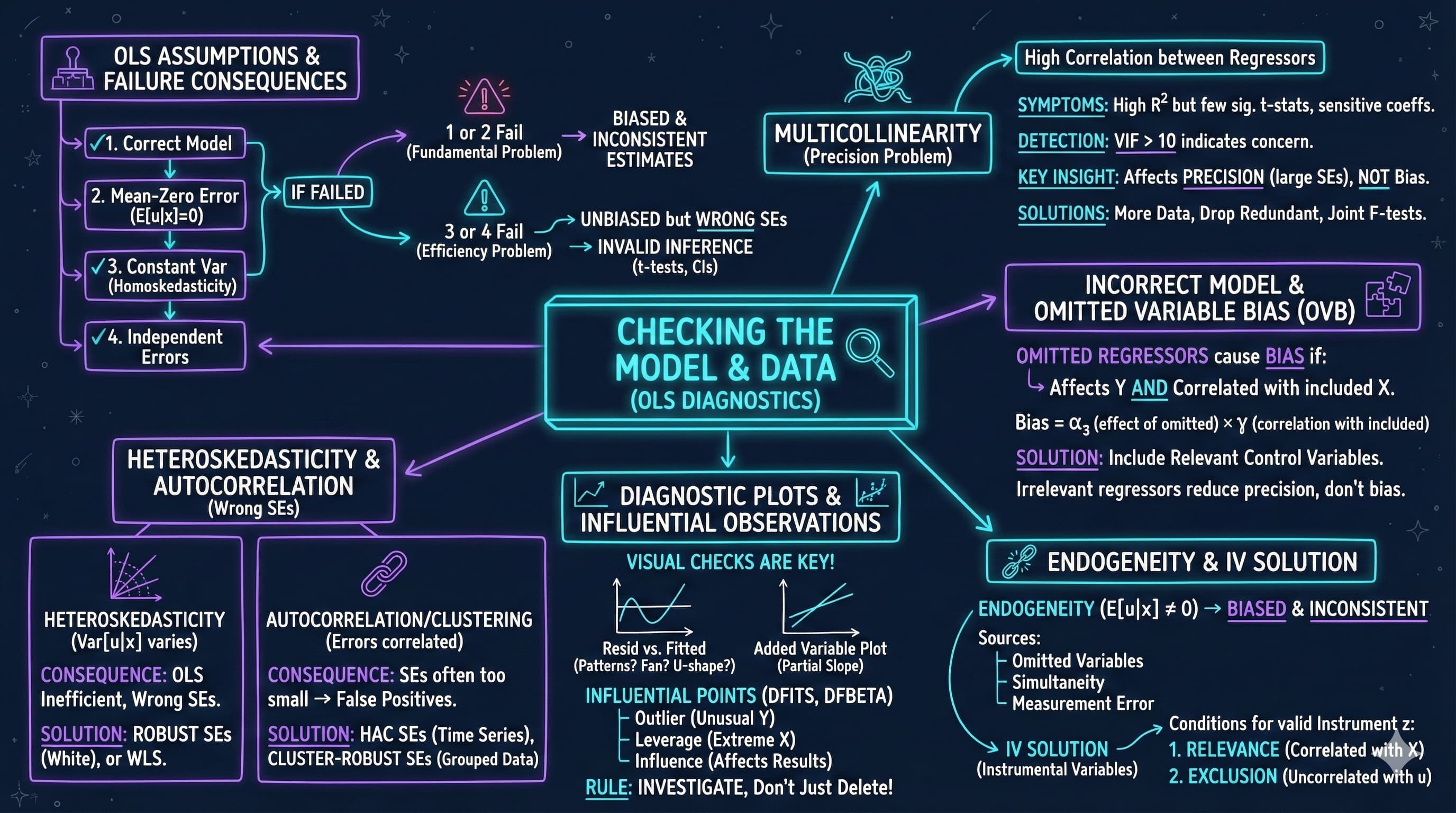
Chapter 16: Checking the Model and Data

Chapter 16 Visual Summary

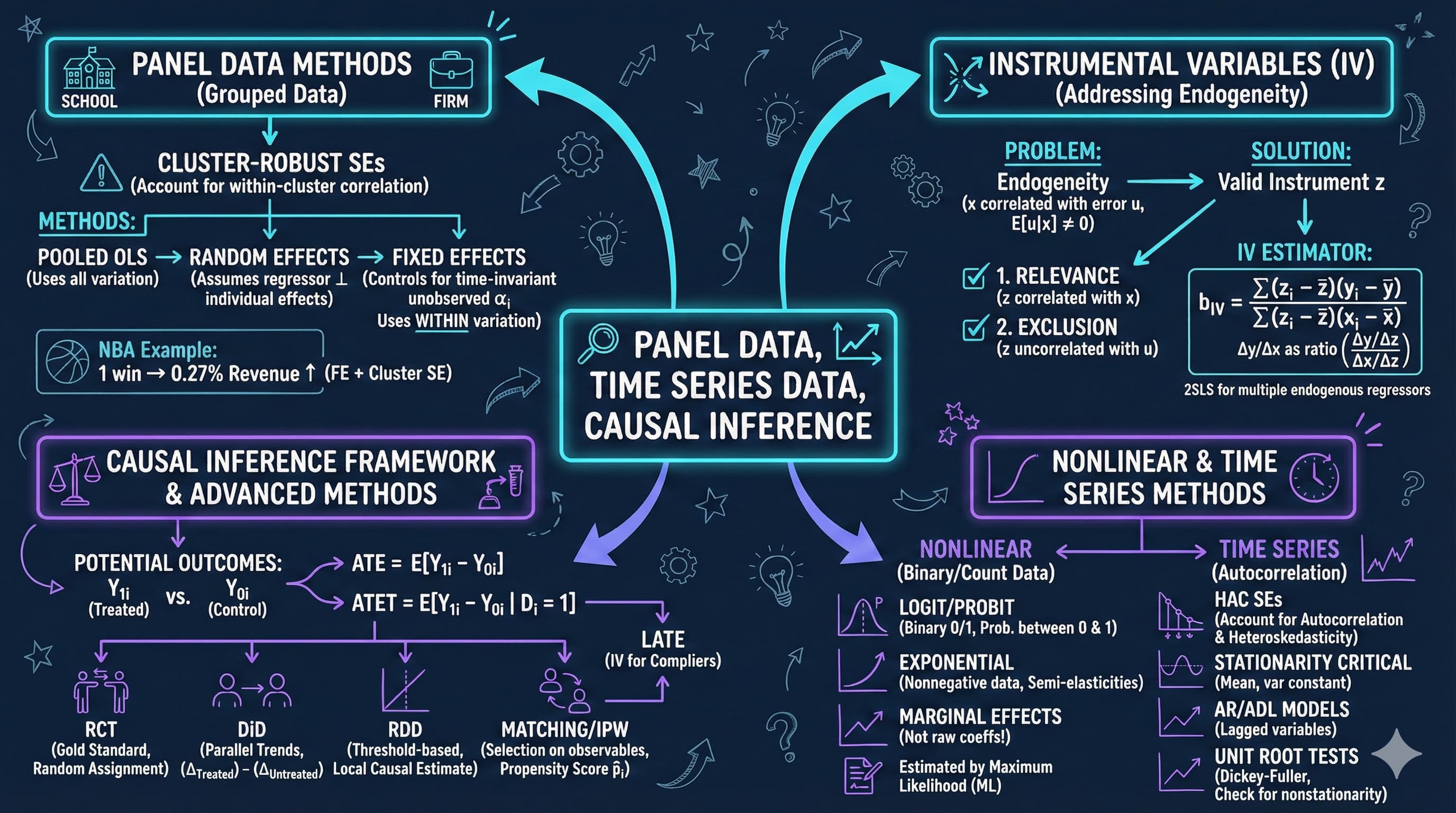
Chapter 17: Panel Data, Time Series Data, and Causation

Chapter 17 Visual Summary

Books

The learning materials of metricsAI are based on the contents of these books.

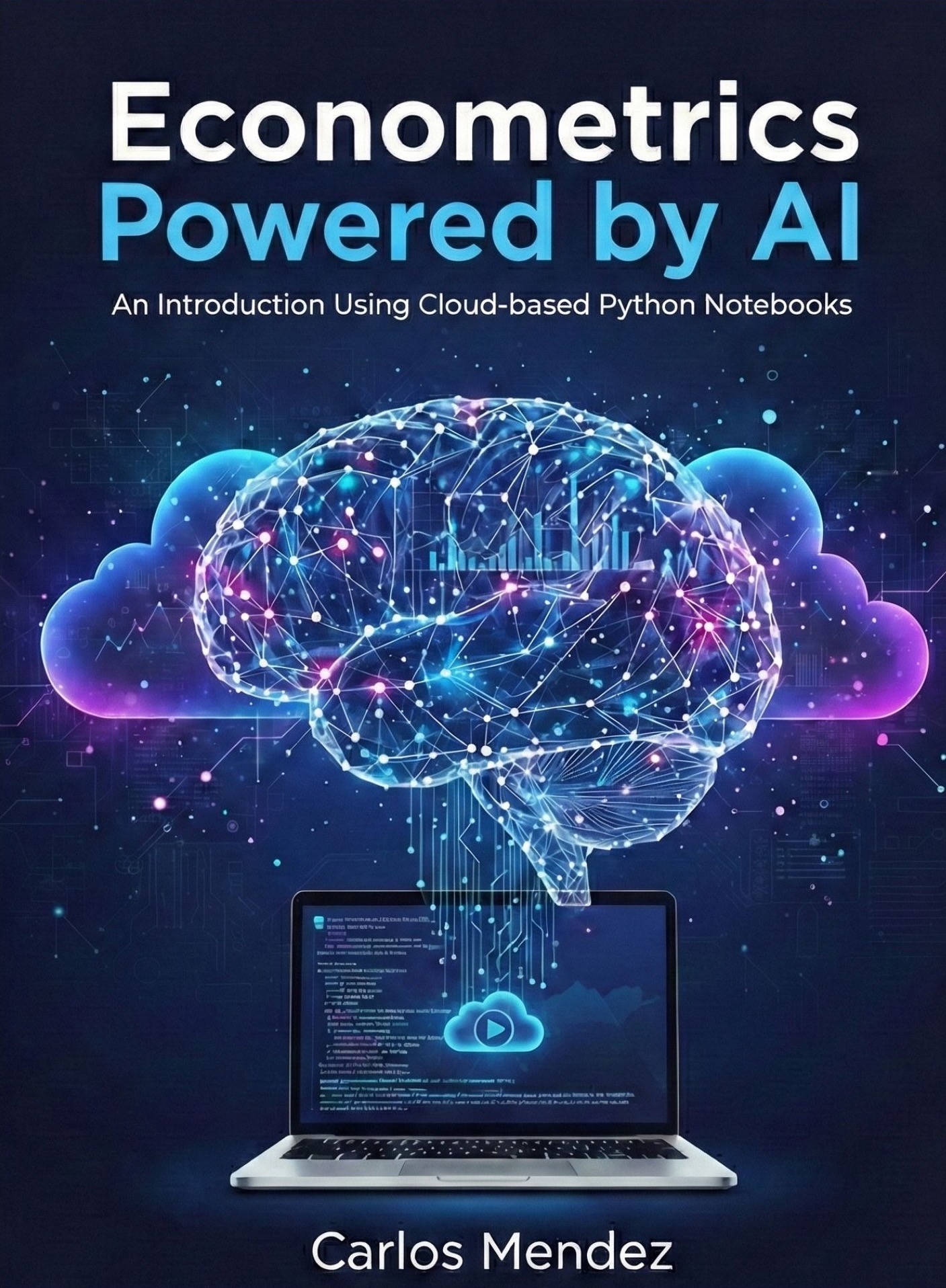
Econometrics Powered by AI Book Cover

Econometrics Powered by AI

An Introduction Using Cloud-based Python Notebooks

by Carlos Mendez

Learn More
Analysis of Economics Data Book Cover

Analysis of Economics Data

An Introduction to Econometrics

by A. Colin Cameron

Learn More

Authors & Credits

Carlos Mendez

Carlos Mendez

Computational Python Notebooks and AI learning tools

Associate Professor, Nagoya University, JAPAN.

Visit Website
A. Colin Cameron

A. Colin Cameron

Original Textbook, Stata/R/Gretl Code, Datasets, PDF Slides

Professor Emeritus, University of California, Davis, USA.

Visit Website

More Resources

Additional materials to boost your learning journey